Grinding is a universal term in gaming, representing the length of time it takes to accomplish a task or progress. Not all games that have grinding are deceptive; learn the difference between grinding as an intended game design and grinding as manipulation, meant to drive sales.
POV You’re Experiencing Grinding in Video Games
You’re playing your favorite video games when you notice it’s taking a lot longer to upgrade your home base than when you started. Instead of it taking 10 minutes, it now takes one full day. You feel stuck because you need to upgrade your home base to progress in the game. Luckily for you, a pop-up appears on the screen saying you can shorten this wait time by spending 300 gems. Checking the store reveals that 600 gems cost $5. Don’t you want to skip waiting and continue playing the game?
Grinding, Explained
Grinding is the act of completing low-variety tasks to progress or unlock new content and upgrades. 1 Grinding becomes a deceptive pattern when it artificially increases the length it takes to complete a task or progress and gives the option to spend money to skip it or make “the grind” easier. If the player cannot spend money to make grinding easier or faster, it is likely not a deceptive pattern and instead part of the game design.
What Does Grinding Look Like in Practice?
Grinding is often used in combination with other deceptive patterns such as pay-to-win, playing by appointment, and infinite treadmill.
Grinding in Star Wars Battlefront II
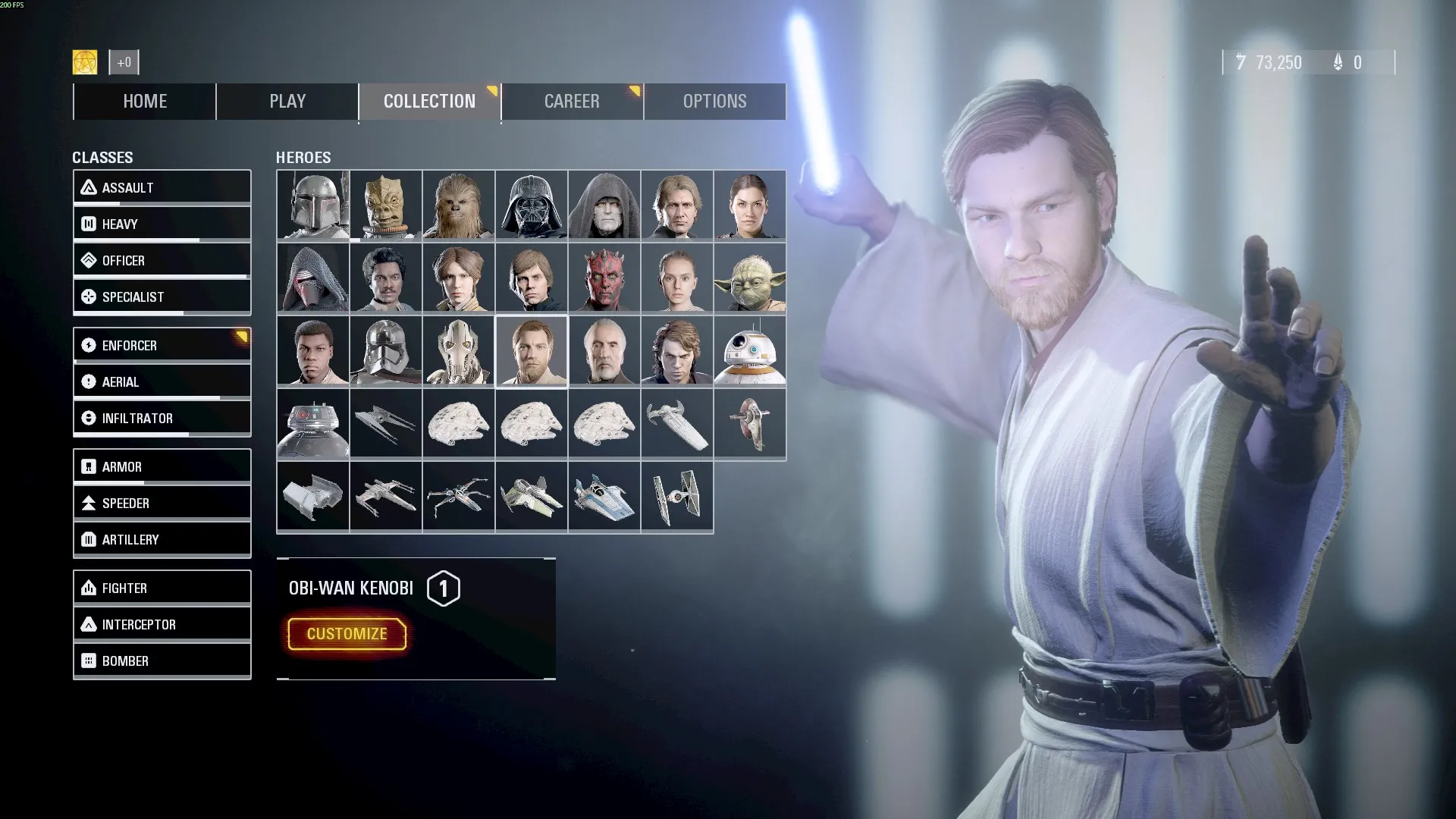
One of the most famous cases of grinding involves the launch of DICE’s Star Wars Battlefront II, a highly anticipated multiplayer game in 2017. To unlock iconic and powerful characters such as Luke Skywalker, players had to either spend money on loot boxes or spend “an average of 2,395.97 minutes of pure gameplay time—roughly forty hours of grinding—to unlock [him]”. 2 Because Star Wars Battlefront II is a PvP multiplayer, players are encouraged to spend money to unlock powerful characters faster to gain an edge over other players. This design represents a combination of deceptive patterns: grinding, monetized rivalries, and pay-to-win. After 2018, the developers removed all pay-to-win components and all microtransactions. Now players can enjoy immersing themselves in the frontlines of the Star Wars universe without fearing unfair PvP experiences.
Grinding in Genshin Impact
Gacha games, a genre of mobile games focusing on collecting resources (typically characters), heavily features grinding with the option to pay to progress faster. Genshin Impact, one of the top mobile games worldwide, contains grinding through their loot boxes- known in-game as character/item banners.
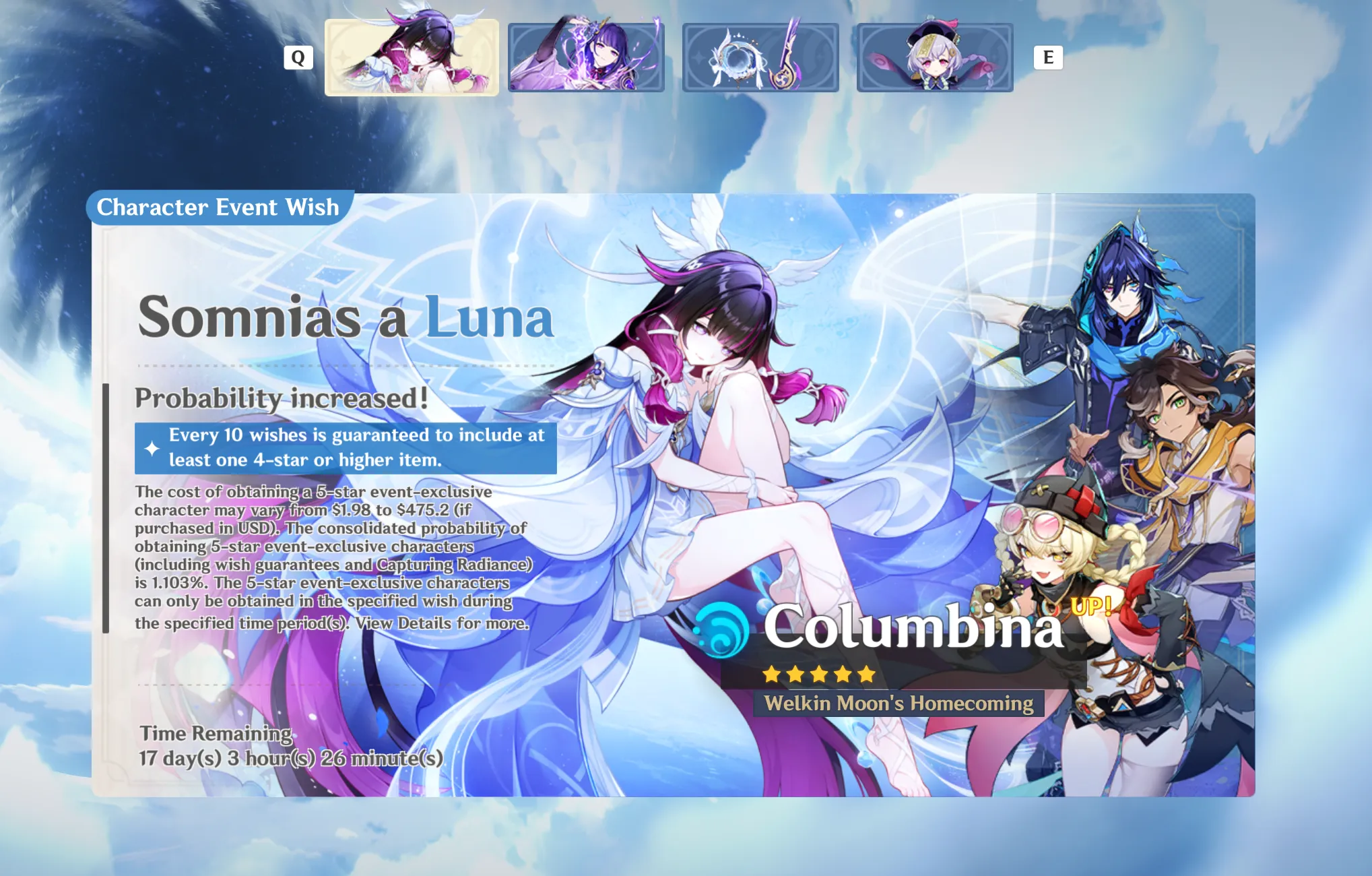
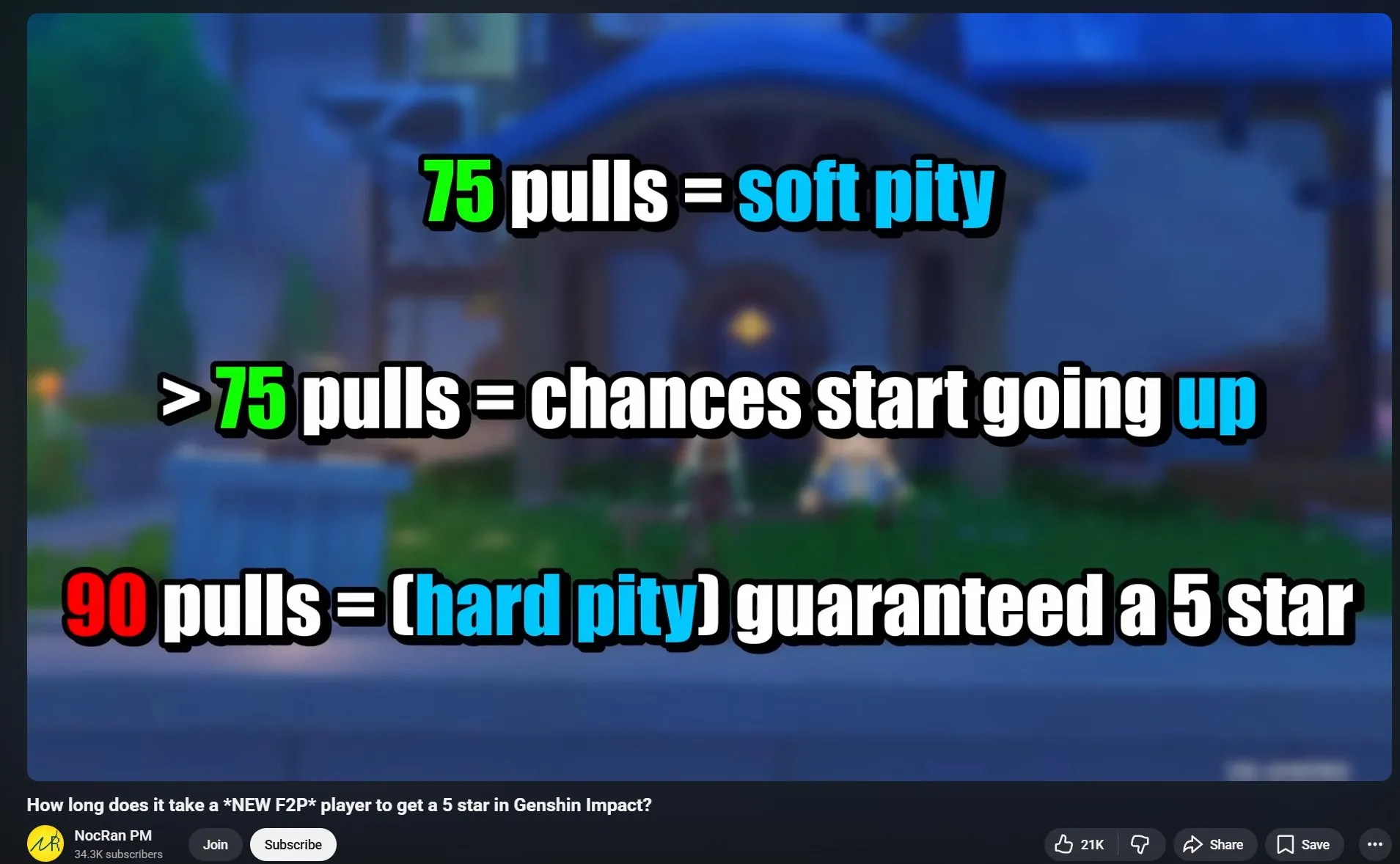
These banners are one of the main methods of progressing power to players. Players can “pull” from these character banners by acquiring primogems. To acquire primogems, players can complete the story, explore the maps, and complete daily/weekly tasks, or they can skip ahead by purchasing them directly. In Doro44’s video “Why Im Quitting my F2P account in Genshin Impact,” he jokes about the differences between his free-to-play account, and his main account: “…my [main] account made me very lazy because if I needed more [primogems], I would just spend more money…” noting the protracted time and effort to achieve the same result while not spending money. 3 For a new player, it will take about 31 hours to get a 5-star character guaranteed (the strongest rank of characters) as opposed to spending roughly $178, excluding time-limited events. 4 The grind for strong characters incentivizes players to spend money to have an better experience progressing and collecting characters.
Takeaway
The next time you find yourself repeating a tedious task or find progression grinding to a halt, ask yourself: Am I having fun right now? And is the game offering a better time by spending money?
References
- Gutiérrez-Manjón, S., Gómez-García, S., & Bonales-Daimiel, G. (2026). Designing for monetization: A taxonomy of dark patterns in top-grossing GaaS video games. Tripodos, 59(59), 1–22. doi.org/10.51698/tripodos.2026.59.05
- Goodstein, S. (2021). When the cat’s away: Techlash, loot boxes, and regulating “dark patterns” in the video game industry’s monetization strategies. University of Colorado Law Review, 92(1), 285. scholar.law.colorado.edu/lawreview/vol92/iss1/6/
- Doro44. (2025, August 23). Why I’m Quitting My F2P Account In Genshin Impact. YouTube. youtube.com/watch?v=sOzepDzEqm4
- NocRan PM. (2024, December 22). How long does it take a NEW F2P player to get a 5 star in Genshin Impact? YouTube. youtube.com/watch?v=JYqn0IFLhkQ